
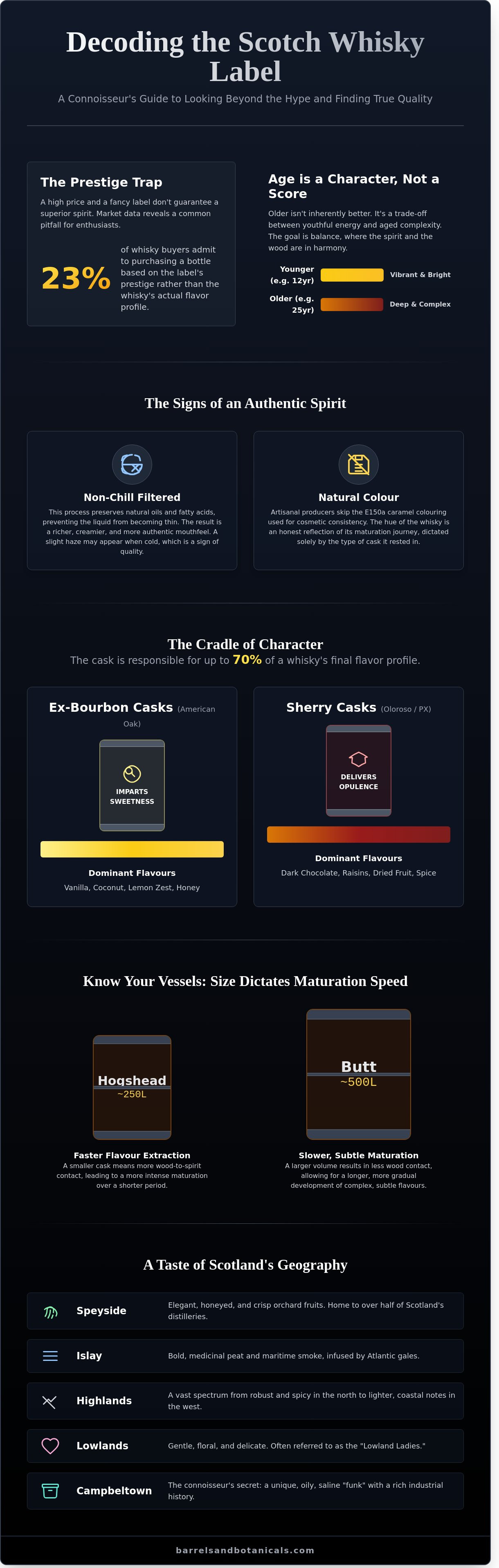
That £185 bottle of single malt gathering dust on the top shelf isn't always superior to the £55 independent bottling tucked away in a specialist shop. It's a sharp reality in a market where 23% of enthusiasts admit they've purchased a bottle based on a prestigious label rather than the liquid's actual profile. You've likely stood before a vast wall of amber glass, feeling the weight of confusion over technical terms like non-chill filtered or cask strength. It's a common anxiety to fear wasting your money on a whisky that lacks the depth you crave or the honesty you expect from a premium spirit.
You deserve a sensory ritual that celebrates quality and intentionality. We'll help you navigate the complex landscapes of Scotland’s distilleries to find a bottle that perfectly suits your palate and purpose. This guide explores the nuances of regional character, the hidden value of independent bottlings, and the essential steps to mastering your next purchase in 2026.
Key Takeaways
- Journey beyond the mass market to embrace the artisanal elegance of single malts, where every bottle serves as a sensory guarantee of quality.
- Decode the complexities of the label by looking past the age statement to the profound influence of Oloroso Sherry and Bourbon cask finishes.
- Refine your palate by mastering the sensory triangle, allowing you to categorise each whisky by its dominant botanical essence and finish.
- Uncover the hidden value in independent bottlings and rare shop exclusives that offer a level of exclusivity far beyond standard distillery releases.
- Build a curated collection that balances the mindful ritual of an accessible daily dram with the prestige of a rare investment piece.
The Art of Selection: Understanding the Scotch Whisky Landscape
Single Malt Scotch isn't just a label; it's a legal and sensory promise. To carry this title, the liquid must be distilled in Scotland from nothing but water and malted barley at a single distillery. This strict provenance ensures that every bottle reflects a specific geography and a centuries-old tradition. By 2026, the global palate has matured. We've moved beyond the predictable reach of mass-market blends. Today's enthusiast seeks the rare and the artisanal. Small-batch expressions now account for 22% of premium sales in the UK, a rise from 14% just five years ago. This evolution celebrates the unique over the uniform.
The "Mindful Drinking" movement has redefined our relationship with the glass. It's no longer about volume. It's about the ritual. The weight of the lead-free crystal. The slow, amber swirl that reveals the "legs" of the spirit. The first breath of the nose. This intentionality transforms a simple drink into a curated experience. Scottish heritage demands precision, even in spelling. The absence of the "e" distinguishes Scotch whisky from its Irish or American cousins. It is a lean, focused word for a spirit that brooks no compromise.
The Five Traditional Regions
Scotland's geography dictates its flavour. Speyside remains the lush garden of the north, home to over half of the country's distilleries. Expect elegant, honeyed profiles and notes of crisp orchard fruits. Contrast this with Islay, where the Atlantic gales infuse the malt with bold, medicinal peat and maritime smoke. The Highlands and Islands offer a vast spectrum. You'll find robust, spicy characters in the north and light, coastal breezes in the west. The Lowlands, often called the "Lowland Ladies," produce gentle, floral spirits. Finally, Campbeltown remains the connoisseur's secret. It delivers an oily, saline "funk" that speaks to the Kintyre peninsula's industrial past.
The Significance of the Distillery
A distillery name is a roadmap to character. While legendary houses like Macallan command high auction prices, discovering a hidden gem like Linkwood can be equally rewarding. These "distiller's whiskies" often provide the backbone for famous blends but shine brightest as standalone malts. The Master Blender acts as a sensory guardian. Their role is to maintain a consistent "house style" across decades, ensuring that a bottle opened today carries the same soul as one from 1996. By interpreting a distillery's history and its specific pot still shapes, you can accurately predict the vibrant essence of the whisky before the cork is even pulled.
Decoding the Label: Age Statements, Cask Types, and Finishes
The label isn't just paper. It's a map of flavour. A promise of the liquid's soul. When you scan the bottle, the age statement often draws the eye first. This number represents the youngest spirit in the blend, a strict requirement under the Scotch Whisky Regulations 2009. Don't fall into the trap of thinking older always means superior. A 12-year-old might offer vibrant, orchard-fruit energy. A 25-year-old provides deep, oaky wisdom. It's a choice between brightness and complexity. Sometimes, the wood can overwhelm the spirit if left too long. Balance is the ultimate goal.
Integrity matters. Look for 'Natural Colour' and 'Non-Chill Filtered' on the packaging. These terms ensure the spirit retains its natural oils and fatty acids. Mass-market brands often use E150a caramel to ensure every bottle looks identical on the shelf. Artisanal producers skip this. They allow the true essence of the wood to dictate the shade. Non-chill filtration prevents the liquid from becoming thin. It preserves a creamy, mouth-coating texture. Pure. Unaltered. Authentic.
The Magic of the Cask
The barrel is the cradle of character. Approximately 70% of a whisky's final profile originates here. The type of wood dictates the ritual of the first sip. Sherry casks, specifically Oloroso or Pedro Ximénez, deliver opulence. Expect dark chocolate, raisins, and a deep mahogany hue. Ex-Bourbon barrels, made of American oak, impart sweetness. Vanilla, coconut, and bright lemon zest define the palate. Modern distillers also embrace experimental finishes. They use Tequila, Caribbean Rum, or even Mizunara oak to add unexpected, vibrant layers to the traditional spirit.
Technical Terms for the Connoisseur
Understanding vessel size is crucial for gauging maturation. A Hogshead contains roughly 250 litres, whereas a Butt holds 500 litres. Smaller casks mean more wood contact. This leads to a more intense flavour extraction over a shorter period. If you seek the ultimate expression, find a Single Cask release. This is a snapshot of one specific barrel, never to be repeated. Each bottle is a unique moment in time.
Deciding between a standard 40% ABV and Cask Strength is about control. Cask strength provides raw power. It's the spirit exactly as it left the wood, often exceeding 55% ABV. You decide the dilution. You control the experience. Explore our premium whisky selection to find your perfect proof.
Identifying Your Palate: A Sensory Journey Through Flavour
True appreciation begins with the sensory triangle. This ritual involves three distinct stages: the nose, the palate, and the finish. The nose offers the first botanical introduction. The palate reveals the liquid's weight and complexity. Finally, the finish determines how long the essence lingers. It's a curated experience that demands patience. Slowing down allows the whisky to speak. Every sip tells a story of wood, water, and grain.
Building a personal flavour library requires categorising spirits by their dominant botanical essence rather than just their region. Many collectors fall into the trap of purchasing based on prestige or a high price tag. A £250 bottle offers no guarantee of personal satisfaction if the profile doesn't align with your preferences. Experts often suggest learning how to choose a bottle of Scotch by focusing on production methods rather than marketing gloss. Focus on the craft. Seek the soul of the liquid.
The role of water is frequently misunderstood. A single drop of room-temperature water can "open up" a dram. It breaks the surface tension. This release unchains hidden volatile aromatics. Suddenly, a closed, tight spirit becomes vibrant and expansive. It's a transformation. It's chemistry in a glass.
The Smoke Spectrum
Peated powerhouses like Laphroaig or Ardbeg cater to those who crave intensity. These spirits often measure above 40 phenol parts per million (ppm). Expect bonfire embers, medicinal notes, and salty seaweed. For a more delicate experience, Highland malts offer subtle smoke. This "reek" is often heather-honeyed and soft. Interestingly, unpeated Islay options like Bunnahabhain 12-year-old showcase the vibrant, floral side of the island. They provide coastal air without the fire.
The Fruit and Spice Profile
Orchard fruits define the classic Speyside style. You'll find the crisp essence of green apple and pear in bottles like Glenfiddich or Glenlivet. If you prefer warmth, seek out heavily sherried malts. These deliver exotic spice. Think cinnamon, nutmeg, and ginger. The "mouthfeel" is equally vital. Some whisky expressions offer a creamy palate. They coat the tongue with notes of custard and butterscotch. This provides a luxurious, velvety texture that lingers long after the glass is empty.
The Connoisseur Checklist: Buying Rare and Exclusive Bottles
The transition from casual drinker to serious collector requires a shift in perspective. It's no longer about a reliable Friday night dram. It's about the hunt for the exceptional. Independent bottlers like Gordon & MacPhail, who have been maturing spirits since 1895, often offer superior value compared to original distillery bottlings. They bypass the massive marketing budgets of global brands to focus entirely on the liquid. These curators select specific casks that don't fit a distillery's standard profile, resulting in a more nuanced, vibrant expression of the grain.
Exclusivity is the ultimate currency. Owning one of only 60 bottles produced from a single ex-sherry butt provides a sense of connection to the craft that mass-produced labels cannot match. When considering an acquisition, distinguish between consumption and investment. The Knight Frank Luxury Investment Index has historically highlighted rare whisky as a top-performing asset, but liquidity requires patience. If you're looking to pivot your assets, the ritual of selling your whisky collection through trusted UK brokers ensures you receive a fair market valuation based on current auction trends.
- Provenance: Always verify the storage history to ensure the spirit hasn't suffered from temperature fluctuations.
- Rarity: Focus on outturn numbers. A release of 200 bottles is significantly more desirable than a "limited edition" of 5,000.
- Authenticity: Check for laser-etched codes on the glass and intact holographic seals.
Spotting Rarity and Value
Understand the distinction between a "Batch" number and a "Vintage" year. A vintage denotes the specific year the spirit was distilled, while a batch refers to a specific marriage of casks. The allure of "Silent Distilleries" remains unmatched. Bottles from closed sites like Port Ellen or Brora command a premium because the stock is finite. Every bottle opened makes the remaining ones more valuable. Always evaluate the physical condition. Look for high fill levels and pristine foil integrity. A damaged box can shave 15% off the hammer price at a London auction.
The Independent Advantage
Independent bottlers are the guardians of "forgotten" casks. They often bottle at natural cask strength, avoiding the corporate "smoothing" of chill-filtration or added caramel colouring. This preserves the raw, oily texture of the whisky. The Connoisseurs Choice range is a prime example, offering a transparent look at different wood finishes and age statements. These releases celebrate the distillery's character without the constraints of a core range profile. It's pure, unadulterated spirit.
Ready to elevate your cabinet with a bottle that tells a story? Explore our curated selection of exclusive and rare whiskies today.
Curating Your Collection: Standout Recommendations
Building a personal library of spirits is an act of storytelling. It's about selecting expressions that resonate with your palate and honouring the moments they accompany. A well-rounded collection balances the reliable with the remarkable, ensuring you have the perfect pour for a quiet Tuesday or a milestone celebration. Sip slowly. The ritual matters.
The daily dram should be a high-quality, accessible companion. These are whiskies that offer a complex profile without requiring a special occasion to uncork. Focus on mindful evening rituals where the liquid serves as a sensory anchor. For the investment piece, look toward rarity and provenance. These are the centrepieces of a cabinet; bottles that represent a specific moment in distilling history and often appreciate in value as stocks of aged liquid diminish across the United Kingdom.
When selecting the perfect gift, match the bottle to the recipient’s personality. A bold, peat-heavy malt suits the adventurous soul, while a velvet-textured, sherry-cask finish appeals to those who appreciate traditional luxury. It's a gesture of shared taste and refined living.
Standout Selections from Our Collection
- The Exclusive: Teaninich 2011 Oloroso Finish. This rare 11-year-old expression is limited to just 60 bottles. It offers a nuanced dance of dried fruit and spice, a true collector's prize.
- The Island Hero: Isle of Harris "The Hearach". A historic first release from the Outer Hebrides. It carries a complex, maritime soul with gentle peat smoke and layers of vanilla.
- The Rare Vintage: Gordon & MacPhail 1988 Linkwood. A 32-year-old masterpiece for the ultimate connoisseur. Distilled decades ago, it represents the pinnacle of patient maturation.
- The Sherried Classic: Glendronach 18 Year Old Allardice. This is a benchmark for Oloroso maturation. Expect deep, dark flavours of treacle, allspice, and walnut.
Whisky Competitions: A Modern Way to Win
Luxury shouldn't always be gated by a price tag. Modern whisky competitions have transformed how enthusiasts access the world's most coveted bottles. These draws allow you to secure iconic releases, such as the Macallan Folio 8, for a fraction of the standard retail cost. It turns the acquisition of fine spirits into a shared, vibrant experience.
Transparency drives the excitement. Live draws and the ritual of the "Picker Wheel" create a community atmosphere where every entrant has a genuine chance at a high-value prize. It’s a low-stakes entry into high-end collecting. Check out our current Whisky Competitions and Draws to win your next dream bottle and elevate your home bar today.
Whisky is a journey, not a destination. Whether you’re chasing the salt-spray of the islands or the deep oak of a highland glen, your exploration starts with a single, intentional pour. Discover the essence of the craft and begin your collection now.
Master the Art of the Dram
Choosing the perfect Scotch in 2026 requires a refined understanding of how specific cask finishes and age statements shape the liquid in your glass. You've explored the sensory map of Scotland's diverse regions and learned to decode labels that often hide the true character of the spirit. Your palate is your most trusted guide; it's the final arbiter of quality in a world of endless variety. From the salt-sprayed malts of the islands to the honeyed depths of the Highlands, the right whisky choice transforms a simple drink into a celebrated ritual.
We operate as a family-run independent specialist with a commitment to the craft that dates back over 15 years. Our expertise extends beyond the shelf, offering bespoke rare and old whisky brokerage services for collectors and exclusive single cask bottlings you won't find in high-street shops. We focus on the essence of the spirit, ensuring every bottle we recommend provides a vibrant, nuanced experience. Every selection in our inventory undergoes a meticulous vetting process to guarantee its provenance and flavour profile.
Explore our curated collection of Single Malt Scotch Whisky to find your next standout bottle. Your journey into the world of premium spirits is just beginning.
Frequently Asked Questions
What is the difference between Single Malt and Blended Scotch?
Single malt Scotch is the product of one single distillery made entirely from malted barley, while blended Scotch combines multiple single malts with grain spirits. This distinction is vital for your palate. Single malts offer the specific, unblended DNA of one location. Blends, which represent 90% of the global market, provide a consistent, harmonious profile. It is a choice between a solo performance and a full orchestra.
Does whisky age once it is in the bottle?
Whisky does not age or improve once it is sealed in glass. The maturation process requires the breathable interaction of oak casks; once bottled, the spirit becomes a time capsule. A bottle of 10-year-old spirit remains 10 years old even if you store it for 50 years. Focus on the liquid's integrity. Ensure the seal remains tight to prevent oxidation from muting those vibrant, distilled notes.
How should I store my whisky collection to prevent damage?
You must store your bottles upright in a cool, dark environment away from direct sunlight. High temperatures above 21°C can cause the spirit to expand and damage the cork. Sunlight is a silent thief; it can bleach the natural colour of your whisky and ruin the flavour profile in as little as 35 days. Keep the temperature stable. A consistent 15°C is the gold standard for long-term preservation.
Is an older whisky always better than a younger one?
An older bottle is not inherently superior to a younger expression. While long years in oak add complexity and wood-driven notes like vanilla or leather, they can also mask the vibrant distillery character. Many experts find the sweet spot for maturation lies between 12 and 18 years. Younger spirits, often aged 5 to 8 years, provide a punchy, peat-forward, or cereal-rich experience that older versions often lose.
What does "Cask Strength" actually mean for the drinker?
Cask strength means the spirit is bottled directly from the barrel without the addition of water to lower the alcohol content. These expressions are potent, typically ranging from 52% to 64% ABV. It offers a raw, visceral experience of the distillery's essence. You control the ritual. Adding a few drops of water opens the nose and reveals hidden layers of fruit or spice on the palate.
Why are some whiskies much darker than others?
Colour variation stems from the type of cask used or the addition of spirit caramel. First-fill sherry butts impart a deep, mahogany hue within 10 years, whereas second-fill bourbon barrels leave the liquid pale and straw-like. Be aware that some producers use E150a colouring to ensure consistency across batches. Always check the label for natural colour to ensure the visual beauty matches the artisanal craft.
Can I sell my own bottles through a whisky shop?
You cannot typically sell bottles directly to a shop because of the Licensing Act 2003. Most retailers require a wholesale licence to buy from private individuals. Your best path is through dedicated spirits auction houses where commission fees usually range from 10% to 15%. This ensures a legal transfer. It also places your bottle in front of a global audience of collectors seeking specific, rare vintages.
What is the best way to start a whisky collection on a budget?
Start your collection by focusing on core range expressions from established distilleries that offer high value. Aim for bottles priced between £35 and £50, such as a classic 10-year-old Islay or a Speyside 12-year-old. This creates a diverse sensory library without a massive investment. Look for independent bottlers; they often release unique, high-quality whisky at lower prices than the official distillery bottlings, providing a more nuanced experience.